Best Areas to Stay in Tokyo for First-Time Visitors
Tokyo has several neighborhoods suitable for tourists, but not every area offers the same experience. Some are better for transportation, others for shopping, nightlife, sightseeing, or affordable accommodation.
Here are six areas worth considering before booking your hotel.
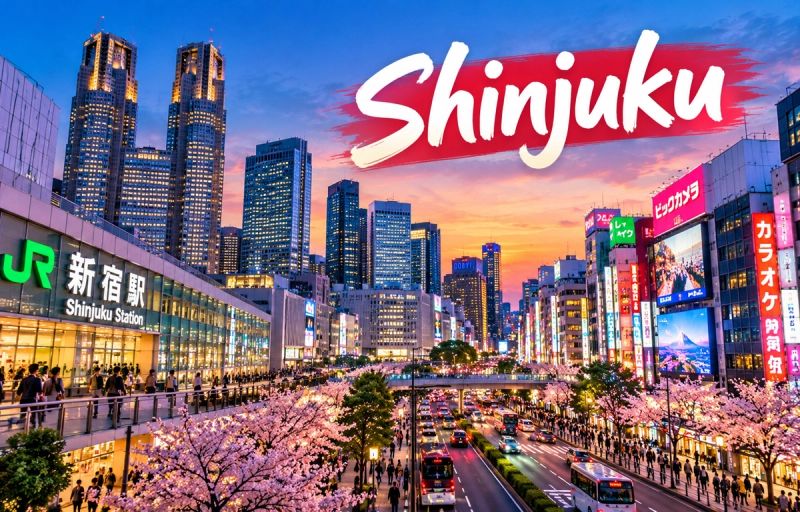
1. Shinjuku: Best for First-Time Visitors
Shinjuku is one of Tokyo's most convenient neighborhoods for first-time visitors. It combines major transportation connections, shopping centers, restaurants, entertainment venues, and a wide selection of hotels.
Shinjuku Station connects several railway and subway services, making it easier to travel to popular destinations across Tokyo. The neighborhood also offers different experiences depending on where you stay.
West Shinjuku is known for its skyscrapers, business hotels, and quieter streets, while East Shinjuku has restaurants, shopping streets, and nightlife around Kabukicho.
What makes Shinjuku a good place to stay?
- Excellent railway and subway connections.
- Plenty of restaurants, convenience stores, and shopping centers.
- Easy access to Shibuya, Harajuku, and other popular areas.
- Hotels ranging from compact business rooms to upscale properties.
- Entertainment options for travelers who enjoy exploring after dark.
Hotel budget: Approximately ¥16,000–¥30,000 per night for many standard and mid-range options. Actual prices depend on dates, hotel category, and availability.
Best for: First-time visitors, couples, nightlife enthusiasts, and travelers who want convenient transport connections.
Potential downside: Shinjuku is busy, and hotels close to the station or major entertainment streets can be expensive. Check the walking distance from the hotel to the station before booking.
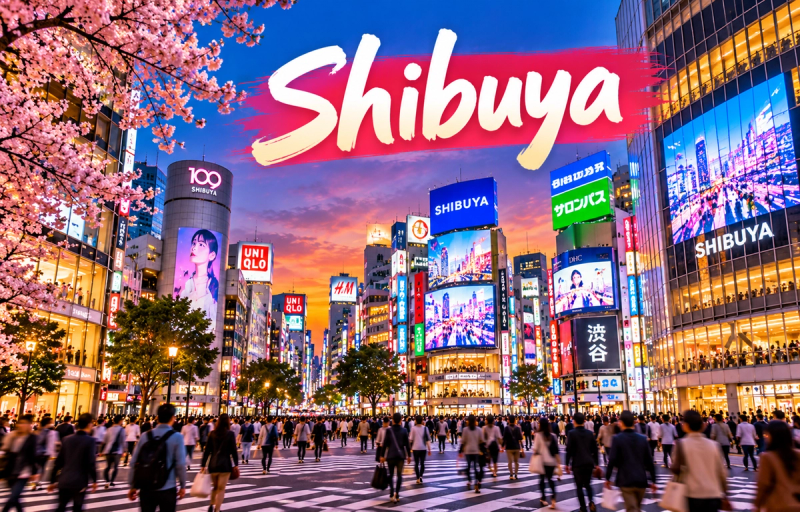
2. Shibuya: Best for Shopping, Fashion and Nightlife
Shibuya is one of Tokyo's most recognizable neighborhoods, famous for its busy pedestrian crossing, shopping streets, fashion stores, and vibrant nightlife.
It is particularly popular with younger travelers and visitors who want to experience modern Japanese culture.
Shibuya also provides access to nearby attractions such as Harajuku and Omotesando, making it a convenient base for shopping and exploring western Tokyo.
What makes Shibuya worth considering?
- Famous Shibuya Crossing and surrounding attractions.
- Excellent shopping and dining opportunities.
- Easy access to Harajuku and Meiji Jingu.
- A lively atmosphere throughout the day and evening.
- Good connections to other major Tokyo districts.
Hotel budget: Approximately ¥25,000–¥45,000 per night for many standard and mid-range properties, although lower-priced options may be available farther from the main station.
Best for: Couples, younger travelers, shopping enthusiasts, and visitors interested in nightlife.
Potential downside: Shibuya can be considerably more expensive than other Tokyo neighborhoods. If your priority is getting the best hotel price, compare it with Shinjuku, Ueno, and Ikebukuro before booking.
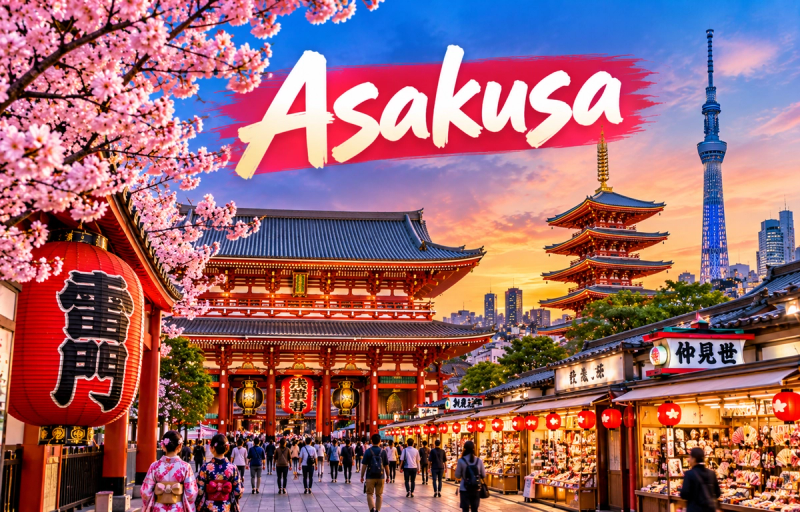
3. Asakusa: Best for Budget Travelers and Traditional Tokyo
If you want to experience traditional Japanese culture while keeping accommodation expenses under control, Asakusa deserves a place on your shortlist.
The neighborhood is home to Sensoji Temple, Nakamise Shopping Street, traditional restaurants, and streets that offer a different atmosphere from Tokyo's modern commercial districts.
Asakusa is also a practical choice for travelers who prefer a quieter environment after a busy day exploring the city.
What makes Asakusa a good choice?
- Access to Sensoji Temple and traditional attractions.
- A selection of budget and mid-range hotels.
- Traditional Japanese restaurants and shopping streets.
- Good access to Ueno and Tokyo Skytree.
- A more relaxed atmosphere than Shibuya and central Shinjuku.
Hotel budget: Approximately ¥12,000–¥25,000 per night for many standard accommodation options.
Best for: Budget-conscious travelers, families, cultural explorers, and visitors who prefer a traditional neighborhood.
Potential downside: Depending on your hotel location, traveling to western Tokyo attractions such as Shibuya and Shinjuku may require additional train journeys or transfers.
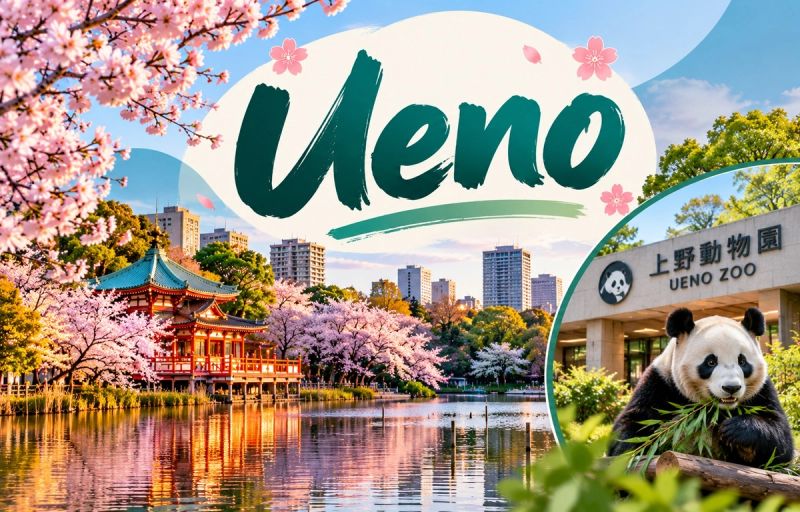
4. Ueno: Best for Affordable Accommodation and Sightseeing
Ueno is another excellent option for travelers who want convenient transportation without paying the premium associated with some of Tokyo's most famous neighborhoods.
The area is known for Ueno Park, museums, cultural attractions, and Ameyoko Shopping Street.
Ueno is also particularly useful for visitors arriving at Narita Airport because the Keisei Skyliner connects Narita Airport with Keisei-Ueno Station.
What makes Ueno attractive?
- A good selection of business and budget hotels.
- Access to Ueno Park and several major museums.
- Convenient connections to eastern and central Tokyo.
- Shopping and affordable dining around Ameyoko.
- Direct Skyliner connection from Narita Airport.
Hotel budget: Approximately ¥12,000–¥23,000 per night for many standard and mid-range options.
Best for: Budget travelers, families, museum enthusiasts, and visitors arriving through Narita Airport.
Potential downside: Ueno is less convenient than Shinjuku or Shibuya if most of your planned activities are concentrated in western Tokyo.
5. Ginza: Best for Luxury Shopping and a Central Location
Ginza is one of Tokyo's most polished commercial districts. It is known for luxury shopping, department stores, fine dining, and stylish hotels.
The area is also convenient for travelers who want access to central Tokyo attractions and Tokyo Station.
Although Ginza is not usually the first choice for budget travelers, comparing hotel prices across different booking platforms can sometimes reveal better-value options.
What makes Ginza attractive?
- High-quality hotels and accommodation.
- Excellent shopping and dining.
- Convenient access to Tokyo Station and central districts.
- Easy access to Tsukiji's food market area.
- A more refined atmosphere than major entertainment districts.
Hotel budget: Approximately ¥22,000–¥45,000 or more per night, depending on the hotel category.
Best for: Luxury travelers, couples, business travelers, and visitors interested in shopping and fine dining.
Potential downside: Accommodation and dining can be expensive compared with Ueno, Asakusa, and Ikebukuro.
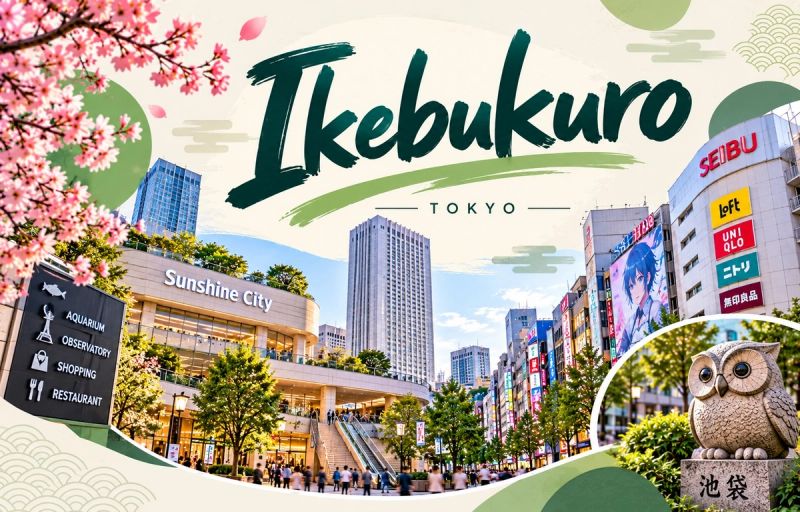
6. Ikebukuro: Best for Budget-Friendly City Convenience
Ikebukuro is often overlooked by first-time international visitors, but it deserves consideration if you want a convenient location without paying Shibuya or Ginza prices.
The neighborhood has a major railway station, shopping malls, restaurants, entertainment venues, and a broad selection of accommodation.
It is especially attractive to travelers interested in anime, manga, shopping, and Japanese pop culture.
What makes Ikebukuro worth considering?
- Competitive hotel prices compared with some popular western districts.
- Major railway connections through Ikebukuro Station.
- Shopping at Sunshine City and surrounding commercial areas.
- Restaurants and entertainment options.
- Convenient access to Shinjuku and Shibuya.
Hotel budget: Approximately ¥10,000–¥22,000 per night for many standard and mid-range options.
Best for: Budget-conscious visitors, families, anime enthusiasts, and travelers who want a convenient urban location.
Potential downside: It does not have the same concentration of major tourist landmarks as Asakusa, Shibuya, or Shinjuku.
“Note on hotel budgets: The figures above are indicative planning ranges, not guaranteed live rates. They are intended to help compare accommodation categories. Actual prices can change substantially depending on travel dates, room occupancy, booking conditions, and availability.”
Tokyo Hotel Prices by Neighborhood: Which Area Offers Better Value?
Choosing the right neighborhood can have a significant impact on your accommodation budget.
For a practical comparison, the following table gives indicative nightly planning ranges for standard and mid-range accommodation.
Hotel prices in Tokyo vary depending on the neighborhood, travel season, and accommodation category. Similar differences can be seen in other popular destinations. For example, our guide to hotel prices across Vienna's different districts explains how choosing the right neighborhood can influence your accommodation budget. Ikebukuro is one of the areas worth considering for budget travelers, with indicative nightly hotel prices ranging from ¥10,000 to ¥22,000.
Ueno is another good option for travelers who want convenient sightseeing and value, with typical planning budgets of ¥12,000–¥23,000 per night. Similarly, Asakusa offers a traditional Japanese atmosphere, with accommodation prices generally ranging from ¥12,000 to ¥25,000 per night.
If you're visiting Tokyo for the first time, Shinjuku offers a convenient balance of transportation, shopping, and entertainment, with indicative hotel budgets of ¥16,000–¥30,000 per night.
For travelers interested in luxury shopping and premium accommodation, Ginza is worth exploring, although hotel prices can range from ¥22,000 to ¥45,000 or more per night. Meanwhile, Shibuya is particularly popular for shopping and nightlife, with indicative accommodation budgets of ¥25,000–¥45,000 or more per night.
Which area should you choose? If saving money is your priority, start with Ikebukuro, Ueno, and Asakusa. If convenience is more important, compare Shinjuku. For premium experiences, consider Ginza or Shibuya.
These are editorial estimates for planning, not a live price survey or guaranteed hotel rates.
Recent market snapshots demonstrate why comparing dates and neighborhoods matters. Klook's August 2025–July 2026 data showed typical nightly rates of approximately $95 in Ikebukuro, $117 in Shinjuku, and $240 in Shibuya. These are historical platform averages, not prices guaranteed for your dates.
What does this mean for travelers?
If you want to reduce hotel expenses, start by comparing Ikebukuro, Ueno, and Asakusa. If transportation convenience is your biggest priority, Shinjuku is worth comparing. Shibuya and Ginza are better considered when their specific location and lifestyle benefits justify the additional accommodation cost.
4. When Is the Best Time to Book Hotels in Tokyo?
Hotel prices in Tokyo fluctuate throughout the year. Seasonal tourism, local holidays, international events, and weekends can all influence accommodation rates.
If you have flexibility with your travel dates, comparing different months can help you find better hotel deals.
March–April: Cherry Blossom Season
One of Tokyo's most popular travel periods. Hotels in tourist-heavy neighborhoods can become more expensive, particularly around peak cherry blossom dates.
June: Potentially Better Hotel Deals
The rainy season can make outdoor sightseeing less convenient, but it may offer opportunities to find lower hotel rates.
October–November: Autumn Travel
Autumn foliage attracts visitors to Tokyo. Compare hotel prices early, especially for weekends and popular sightseeing periods.
January–February: Winter Travel
After the New Year holiday period, some dates can offer better accommodation value. Weather is colder, but sightseeing can be comfortable with proper clothing.
Klook's 2025–2026 booking data identified June as its lowest-priced month in Tokyo, while November was the most expensive in its sample. This is a useful indication, but actual savings depend on your dates and chosen hotel.
Booking tip: Compare several check-in dates rather than assuming that an entire month will have similar hotel rates.
How to Choose the Right Tokyo Neighborhood Based on Your Travel Budget
Choosing the right neighborhood depends on your travel priorities, budget, and the experiences you want during your Tokyo visit.
If you're visiting Tokyo for the first time, Shinjuku is an excellent choice because of its convenient transportation connections, shopping areas, restaurants, and entertainment options.
If your main priority is finding the lowest accommodation prices, consider Ikebukuro, where you can explore budget-friendly hotels while staying connected to major parts of the city.
Travelers interested in a traditional Japanese experience should consider Asakusa, known for Sensoji Temple, traditional streets, and local restaurants.
If you enjoy shopping, fashion, and nightlife, Shibuya is a great option. It offers a lively atmosphere, popular shopping destinations, and plenty of entertainment.
For visitors interested in museums, cultural attractions, and sightseeing, Ueno is worth considering because of Ueno Park, its museums, and convenient transportation.
If you prefer luxury hotels, premium shopping, and fine dining, Ginza offers an upscale experience with high-quality accommodation and sophisticated restaurants.
Families planning a Tokyo vacation may find Ueno or Ikebukuro more suitable because both neighborhoods offer convenient transport connections, shopping facilities, restaurants, and accommodation options.
Our recommendation: Don't choose a hotel based only on its nightly price. Consider your sightseeing plans, transportation costs, and distance from the nearest station to find the best overall value.
How to Find the Best Hotel Deals in Tokyo
Finding an affordable hotel in Tokyo is not just about choosing the cheapest neighborhood. You also need to compare the final booking cost and understand what is included. Our guide on finding the cheapest hotel prices online explains how to compare booking platforms, identify discounts, and avoid common booking mistakes.
Here are some practical ways to get better value.
1. Compare multiple hotel booking platforms
The same hotel room can have different prices across booking platforms because of pricing strategies, commissions, promotions, and room availability. Learn why the same hotel has different prices on different websites and how comparing multiple booking options can help you identify better deals.
2. Search beyond Shinjuku and Shibuya
Popular tourist areas often attract higher accommodation demand. Include Ueno, Asakusa, and Ikebukuro in your search to discover alternative options.
3. Compare weekday and weekend prices
Hotel rates can change between weekdays and weekends. If your itinerary is flexible, check whether moving your stay by one or two days reduces the total cost.
4. Check the final booking price
A low advertised price does not always mean the cheapest booking. Check taxes, additional charges, breakfast, and payment conditions before confirming.
5. Consider the nearest railway station
A hotel located a short walk from a convenient railway station can save considerable travel time. Don't assume that every hotel advertised as being in Shinjuku or Shibuya is equally convenient.
6. Check cancellation policies
Flexible booking conditions can be useful when travel plans change. Compare refundable and non-refundable offers to understand the price difference.